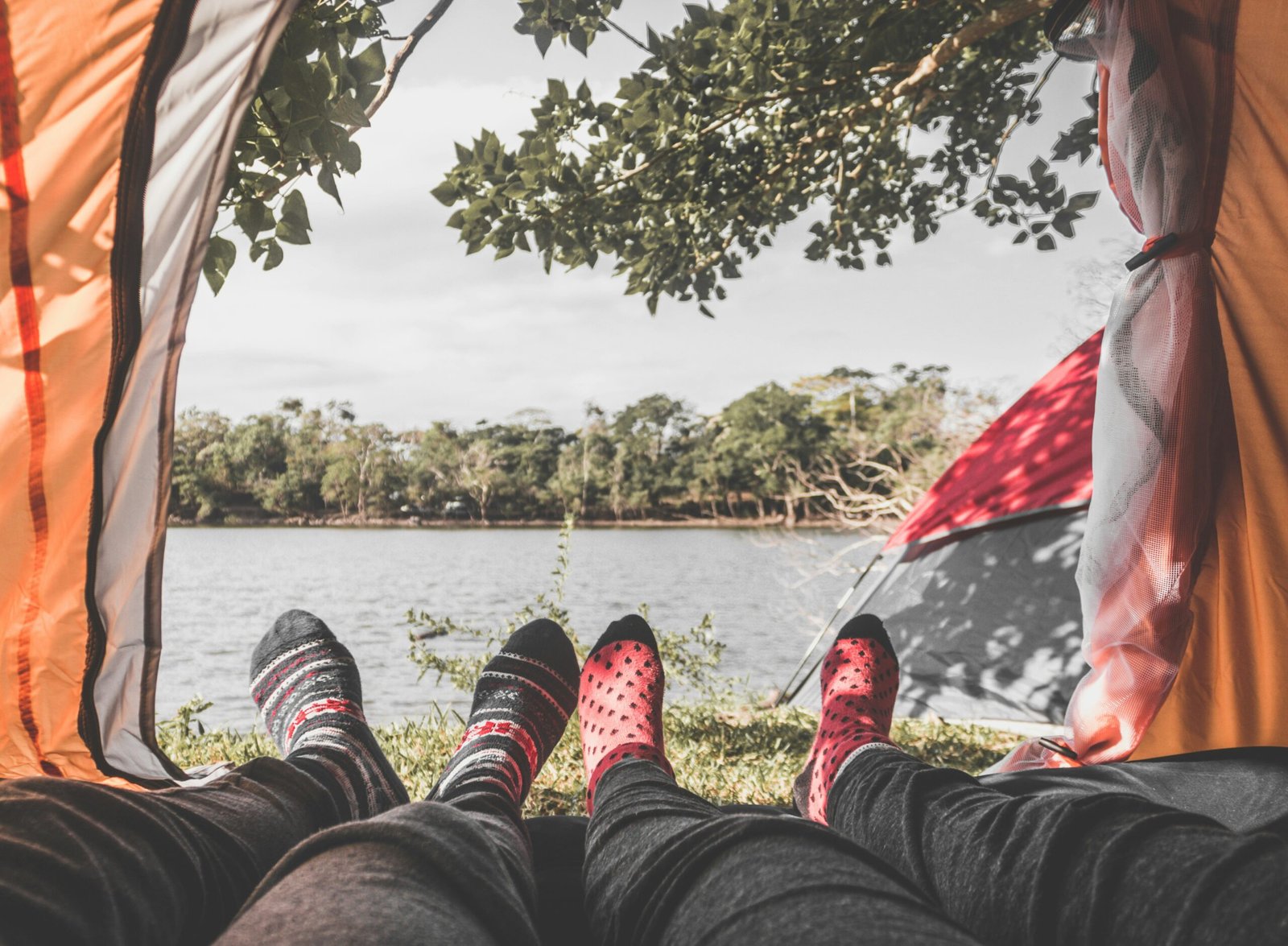
Reconnect with Nature
Spending time in nature offers profound psychological and emotional benefits that can significantly enhance overall mental wellness. Numerous studies have demonstrated that exposure to natural environments can lead to reductions in stress, anxiety, and depression. One of the primary reasons for this is the ability of natural surroundings to invoke a sense of tranquility and peace, which can help calm the mind. When families embark on a camping trip, they not only escape the fast-paced life of modern society but also open themselves to the healing powers of nature.
Engaging in outdoor activities such as hiking, birdwatching, or simply relaxing by a serene lake fosters an appreciation for the environment and encourages mindfulness. When families spend time hiking through lush trails or exploring dense forests, they immerse themselves in a landscape that requires focus and presence. This connection to the natural world serves as a grounding experience, allowing individuals to become more attuned to their surroundings and feel a larger sense of belonging. Listening to the sounds of rustling leaves or observing wildlife can also evoke a sense of wonder, drawing attention away from daily stresses and concerns.
Moreover, camping provides an invaluable opportunity for families to bond over shared experiences in a natural setting. This shared time outdoors allows for deeper conversations, laughter, and the creation of lasting memories, all while benefiting from the refreshing embrace of nature. These experiences not only strengthen family ties but also help each individual unplug from technological distractions, leading to improved mental clarity and emotional stability. Ultimately, the act of reconnecting with nature during a family camping trip can serve as a powerful antidote to the stresses of everyday life, promoting holistic wellness and a renewed sense of peace.
Physical Health Boost
Camping provides numerous physical health advantages that are often overlooked in the hustle of everyday life. Engaging in outdoor activities during family camping trips—such as hiking, swimming, and biking—offers a powerful way to enhance physical fitness. These activities contribute significantly to improved cardiovascular health, allowing family members to boost their heart rate, strengthen their muscles, and enhance their endurance. When families immerse themselves in nature, they naturally participate in exercises that strengthen different muscle groups, improve coordination, and promote overall physical well-being.
Moreover, outdoor adventures often entail longer periods of physical activity compared to the sedentary lifestyles many are accustomed to. Hiking through trails or biking along scenic routes not only engages the body but also encourages families to explore vibrant ecosystems, further enhancing the experience. Such activities foster a sense of camaraderie among family members while cultivating healthy habits that can last a lifetime.
The exposure to fresh air and abundant sunlight during camping trips provides additional health benefits. Fresh air can lead to improved oxygen levels, which is vital for our body’s optimal functioning. Furthermore, natural sunlight is an excellent source of Vitamin D, which enhances calcium absorption and supports bone health. Adequate levels of Vitamin D also play a crucial role in boosting the immune system, providing further protection against illnesses and infections. With the combination of fresh air and sunlight, families can see a noticeable improvement in their overall well-being, which can last well beyond the camping trip.
Incorporating physical activities during family camping trips not only boosts health but lays the groundwork for a healthier lifestyle that emphasizes the importance of outdoor experiences and active play.
Strengthening Family Bonds
Camping offers a unique setting that can significantly enhance family relationships by fostering meaningful connections. As families step away from the distractions of everyday life, such as smartphones, televisions, and other forms of technology, the outdoors serves as both a backdrop and a catalyst for deeper interactions. Engaging in activities like setting up camp, preparing meals, and participating in recreational pursuits collectively encourages teamwork and communication.
The process of pitching a tent, for instance, requires collaboration, problem-solving, and shared responsibilities. These tasks not only boost familial cooperation but also create a sense of achievement as families work together toward a common goal. Cooking in nature, away from the conveniences of a kitchen, further allows family members to collaborate and build skills while enjoying quality time. Each meal prepared around the campfire often transforms into a collective experience filled with laughter, stories, and bonding.
Moreover, participating in outdoor recreational activities, such as hiking, fishing, or simply exploring the local environment, provides opportunities for family members to engage with one another in a refreshing manner. These experiences facilitate not only physical activity but also mental well-being, establishing an environment conducive to open dialogue. Shared experiences in nature often lead to conversations that allow family members to express thoughts and feelings that may not typically arise in everyday interactions.
Creating cherished memories during a camping trip can profoundly impact family dynamics. As families reminisce about their shared adventures, they strengthen their emotional connections, promoting a sense of unity and belonging. In this way, bonding while camping has the potential to lay a strong foundation for lasting family relationships, fostering both resilience and support among members.
Improving Sleep and Routine
Engaging in family camping trips can significantly enhance sleep patterns and contribute positively to daily routines. Immersing oneself in nature allows individuals to break away from the hustle and bustle of urban life and disconnect from the digital stimuli that often dominate modern living. Surrounded by the serenity of the outdoors, campers can experience a much-needed mental respite, facilitating a smoother transition into sleep.
The natural setting of a campsite is not only calming but also conducive to improved sleep quality. Research has suggested that exposure to natural light during daylight hours helps regulate the body’s internal clock, or circadian rhythm. This regulation leads to more efficient sleep cycles at night. Additionally, the absence of artificial screens reduces the negative impact of blue light, which can disrupt sleep hormones such as melatonin, promoting a more restful night’s sleep.
Moreover, camping provides the opportunity to establish a routine that aligns with natural rhythms. Families can adopt a daily schedule that revolves around sunrise and sunset, encouraging early bedtimes and consistent waking hours. This routine can lead to improved sleep habits that extend beyond the camping experience and into everyday life, cultivating a sense of well-being and enhancing overall health. With consistent exposure to the great outdoors, families can learn the importance of disconnecting from technology, ultimately fostering healthier lifestyle choices.
Incorporating the benefits of improved sleep and routine while camping into post-trip life can create lasting positive changes. By adopting some of the healthy sleeping practices encouraged during camping trips, families can continue to enjoy enhanced vitality and overall health long after they return home.