Table of Contents
Camping Without the Chaos – A Beginner’s Guide to Being Prepared
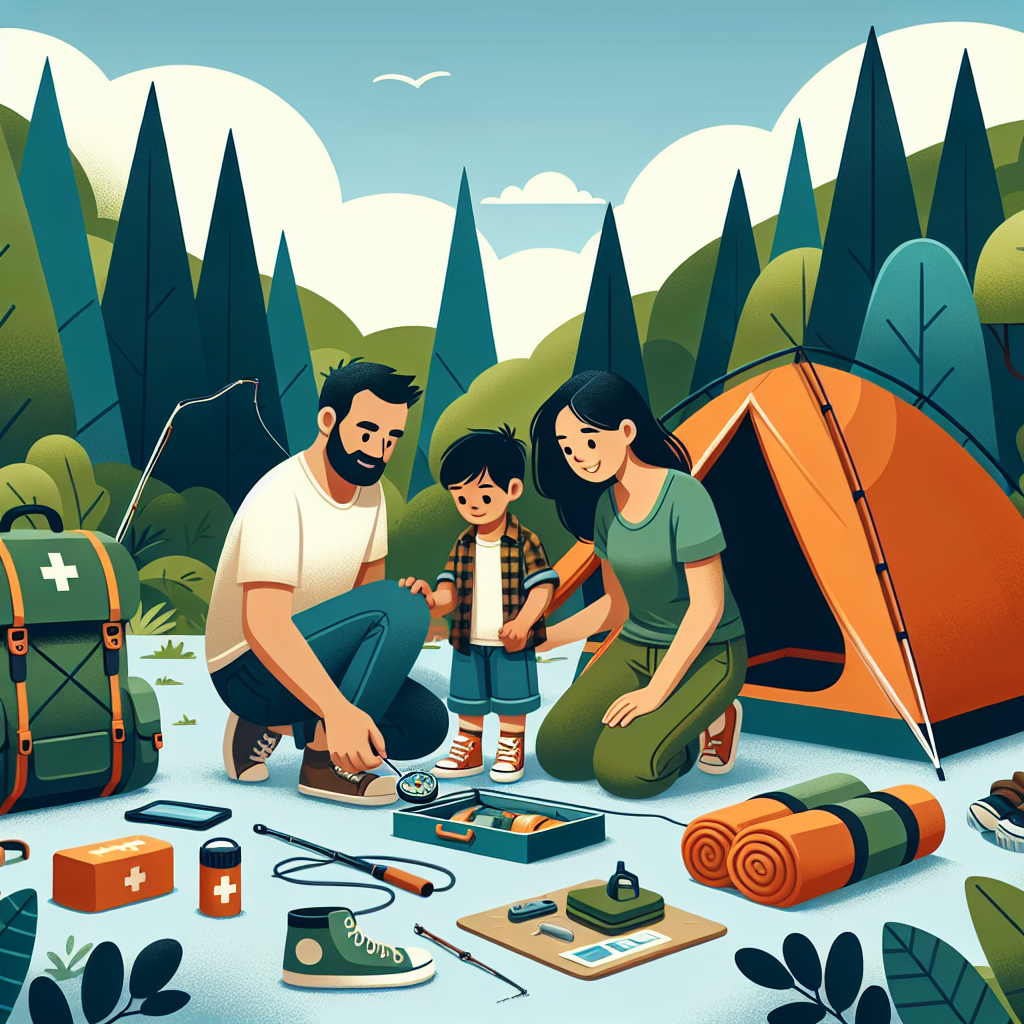
Camping is an incredible way to disconnect from the rush of everyday life, Use the Beginners Camping Guide to Camping Made Easy to connect with nature, and create lasting memories with friends or family. However, for beginners, camping can sometimes feel overwhelming or chaotic if you don’t come prepared. With the right planning and knowledge, your first camping trip can be safe, smooth, and truly enjoyable.
In this guide, we’ll walk you through everything you need to know about beginners camping, being prepared camping, and ensuring a safe first camping trip. Whether you are heading out for a weekend getaway or an extended outdoor adventure, these tips will help you camp without the chaos.
Why Preparation Matters for Beginners Camping
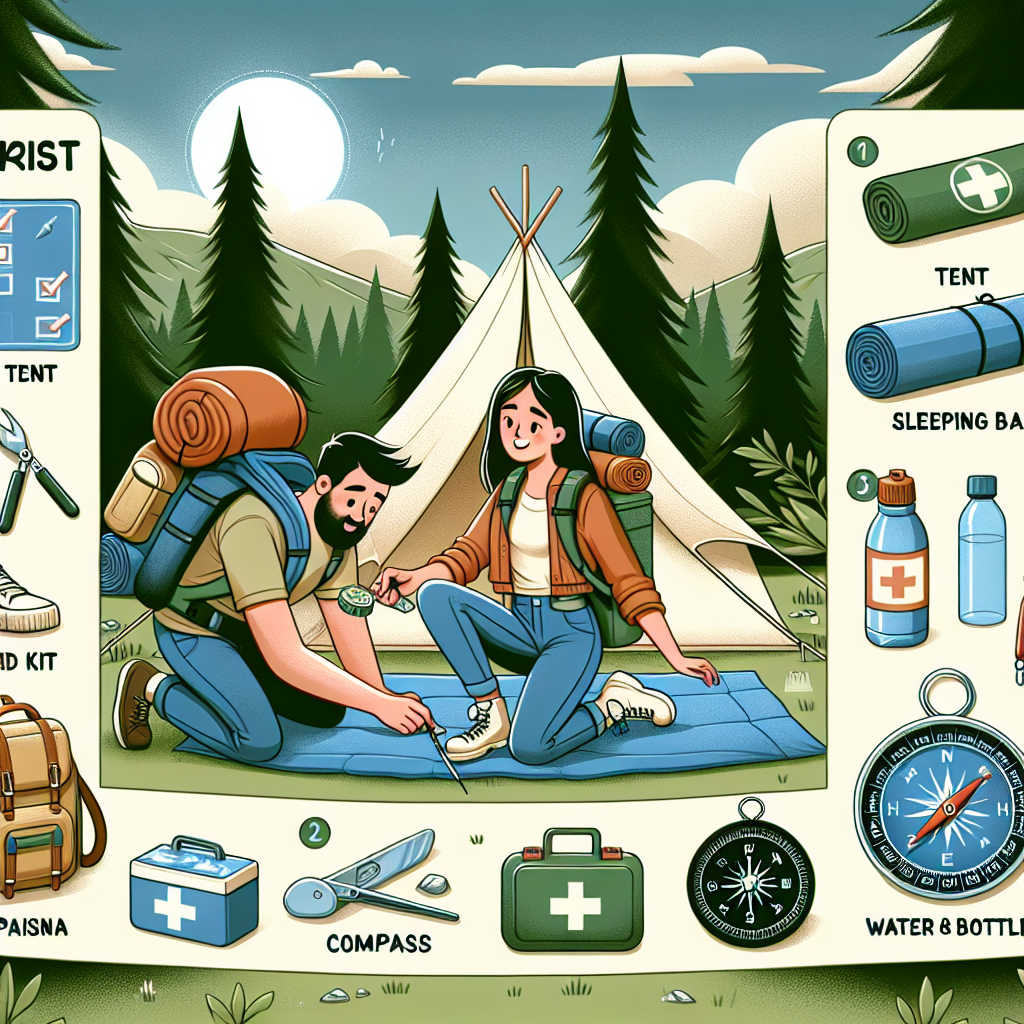
When you’re new to camping, unexpected challenges can quickly turn your adventure into frustration. Missing essential gear, forgetting to pack the right clothes, or not knowing basic outdoor safety can all create unnecessary stress.
By focusing on being prepared camping, you set yourself up for success—making the experience smooth, comfortable, and fun. Preparation also reduces safety risks and increases your confidence, allowing you to immerse yourself fully in the nature experience.
Beginners Camping Guide – Essential Planning Steps for a Safe First Camping Trip
1. Start Small and Close to Home
For your safe first camping trip, select a campsite close to your home or in a well-established campground. Start with a simple trip to get comfortable with setting up tents, cooking outdoors, and following campsite rules. This reduces the pressure and complexity of unfamiliar locations.
2. Research Your Campsite Thoroughly – Follow the Beginners Camping Guide
Learn about:
- Access and driving directions
- Campsite facilities (water, toilets, fire pits)
- Local wildlife and plants to avoid
- Weather conditions during your trip
- Rules and guidelines specific to the area
Knowing this information in advance prepares you for what to expect and helps you pack appropriately.
3. Create a Camping Checklist
Beginners Camping Guide checklist ensures you don’t forget important items and helps you stay organized. For beginners, the basics include:
- Tent, stakes, and a mallet
- Sleeping bags and sleeping pads
- Cooking supplies (portable stove, fuel, lighter/matches)
- Food and water
- Clothing for varying weather (layers, rain gear)
- First aid kit
- Flashlight or headlamp with extra batteries
- Personal hygiene items (biodegradable soap, toothbrush)
- Maps or GPS
Many campers find it useful to prepare the checklist days before the trip and pack gradually.
Essential Gear for Being Prepared Camping – Beginners Camping Guide to Camping Made Easy
The right camping gear can mean the difference between a stressful trip and a comfortable, enjoyable adventure.
Shelter and Sleeping
- Tent: Choose easily pitched tents with a rainfly suitable for the weather forecast.
- Sleeping bag: Match it to the temperature rating (look for seasonal ratings).
- Sleeping pad or air mattress: Adds comfort and insulation from the ground.
- Pillow: Camping pillows or even a stuff sack filled with clothes work well.
Beginners Camping Guide Choice for easy set up with durabilty to last in a affordable price range.
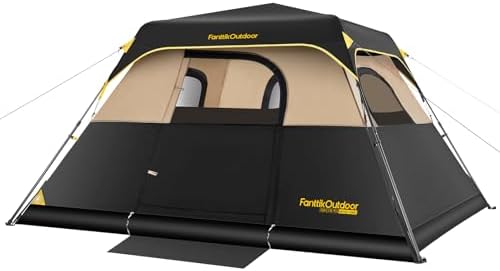
- Polyester
- Imported
- 60 Seconds Set Up: You can set up the instant camping tent in under 60 seconds, thanks to its pre-installed poles and se…
Cooking and Food
- Portable stove or campfire-approved cookware: Confirm if campfires are allowed.
- Fuel for stove, waterproof matches or lighter.
- Mess kit: Plates, bowls, mugs, utensils.
- Cooler or insulated bags for perishables.
- Non-perishable snacks: Trail mix, granola bars, canned goods.
- Reusable water bottles and water purification tablets or filters.
Clothing
Weather can change rapidly, so dressing in layers is key:
- Base layers: Moisture-wicking shirts and underwear.
- Mid layer: Fleece or insulated jacket.
- Outer layer: Waterproof and windproof jacket.
- Hats and gloves for warmth.
- Sturdy hiking boots and extra socks.
- Swimsuit or sandals if near water.
Safety and Navigation
- First aid kit with bandages, antiseptics, tweezers, pain relievers.
- Multi-tool or knife.
- Map and compass/GPS (even if you plan to stay in a campground).
- Bug spray and sunscreen.
- Whistle for emergency signaling.
- Headlamp or flashlight with extra batteries.
Tips for Staying Safe During Your First Camping Trip
Safety is a top priority, especially for beginners who may not be familiar with the outdoors.
1. Know Basic First Aid
Understanding how to treat minor injuries like cuts, burns, and insect bites builds your confidence. Practice using the contents of your first aid kit before leaving home. Beginners Camping Guide can help.
2. Food and Wildlife Safety
- Store food in sealed containers and away from sleeping areas.
- Use designated food storage lockers or hang food bags from a tree if camping in bear country.
- Never feed wildlife.
- Clean up all food scraps to avoid attracting animals.
3. Fire Safety
- Follow local fire regulations.
- Set up fires only in designated fire rings.
- Keep water or dirt nearby to extinguish fires completely.
- Never leave a fire unattended, and fully extinguish before sleeping or leaving camp.
4. Check Weather Frequently
Weather can change suddenly, so monitor forecasts on your smartphone or weather radio. Prepare to modify your plans if severe weather strikes.
5. Communicate Your Plans
Tell someone your camping location and expected return time. This is vital in case of emergencies.
How to Set Up Your Campsite Efficiently
- Choose level ground free of rocks and debris for tent setup.
- Position your tent door away from prevailing winds.
- Assemble your tent and sleeping area before nightfall.
- Keep your campsite organized—store gear neatly to avoid tripping.
- Set up a cooking area downwind and away from sleeping tents.
Having an orderly campsite helps prevent accidents and ensures you spend less time scrambling for supplies.
Activities to Enjoy Without the Chaos
Relaxing and enjoying nature is the heart of camping. Here are some easy activities perfect for beginners:
- Hiking nearby trails
- Birdwatching or wildlife spotting
- Reading or journaling outdoors
- Fishing if permitted
- Star gazing at night
- Cooking simple campfire meals together
These activities don’t require elaborate plans or gear, keeping your experience stress-free and fulfilling.
Common Beginner Camping Mistakes to Avoid
Being aware of common pitfalls helps you prepare better:
- Overpacking: Avoid taking excessive gear that weighs you down.
- Ignoring weather conditions: Dress and pack for expected and unexpected weather.
- Poor tent setup: Practice pitching at home to avoid frustration.
- Not testing gear: Try stoves and flashlights before the trip.
- Skipping the checklist: Forgetting essentials can turn a trip chaotic.
Conclusion
Camping for beginners doesn’t have to be chaotic or overwhelming. By focusing on being prepared camping, you can set yourself up for a safe first camping trip filled with comfort, adventure, and joy.
Start small, plan carefully, and pack thoughtfully. With these steps in place, you’ll spend less time worrying and more time creating unforgettable moments beneath the stars. Happy camping!